


A Guide to the Different Types of Server Virtualization Solutions Available
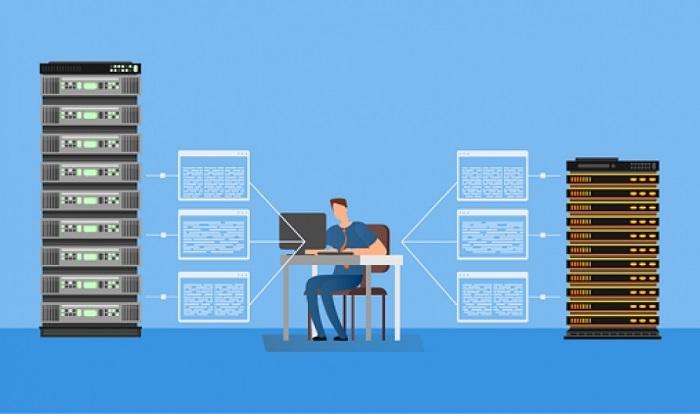
Navigating the landscape of Server Virtualization Solutions requires an understanding of the different approaches and products available, each tailored to specific needs, scales, and budgets. The market offers a wide spectrum of solutions, from free, entry-level hypervisors to comprehensive, enterprise-grade cloud management platforms. The ongoing innovation and competition in this space are key reasons why the market continues to expand and deliver value. This healthy market environment is reflected in strong financial forecasts, with the Server Virtualization Market is Estimated to Grow USD 14.57 Billion by 2035, Reaching at a CAGR of 4.43% During 2025 - 2035. For any organization, selecting the right solution involves a careful evaluation of its technical requirements, existing IT environment, in-house skills, and long-term strategic goals, as the choice made will have a lasting impact on operational efficiency and agility.
The core of any virtualization strategy is the hypervisor solution itself. The market-leading commercial solution is VMware's vSphere, which includes the powerful ESXi hypervisor. It is renowned for its unmatched feature set, rock-solid stability, and extensive third-party support, making it the preferred choice for demanding, mission-critical enterprise workloads. The primary competitor is Microsoft's Hyper-V, which is integrated into the Windows Server operating system. Its main appeal is its low cost of entry for organizations already using Windows Server and its tight integration with other Microsoft products like Active Directory and System Center. For those favoring an open-source approach, the Kernel-based Virtual Machine (KVM) is a powerful, production-ready hypervisor built directly into the Linux kernel. It is the backbone of many large-scale cloud deployments and offers maximum flexibility and cost-effectiveness for organizations with strong Linux expertise.
Beyond the hypervisor, effective virtualization at scale requires a robust management solution. These platforms provide a centralized console for managing multiple hosts and hundreds or thousands of virtual machines. VMware's vCenter Server is the industry standard, offering a single point of control for all vSphere hosts and enabling advanced features like vMotion (live migration), High Availability (HA), and Distributed Resource Scheduler (DRS) for automated load balancing. Microsoft's equivalent is the System Center suite, particularly the Virtual Machine Manager (SCVMM) component, which provides comprehensive management for Hyper-V environments. In the open-source world, platforms like oVirt provide powerful management capabilities for KVM-based infrastructures. These management solutions are what transform a collection of individual hypervisors into a cohesive, manageable private cloud.
Finally, the ecosystem includes a wide range of specialized solutions that build upon the foundation of server virtualization. Virtual Desktop Infrastructure (VDI) solutions, such as Citrix Virtual Apps and Desktops or VMware Horizon, use server virtualization to host and deliver desktop operating systems to end-users as a managed service. This centralizes management, enhances security, and enables remote access from any device. Another category is backup and replication solutions from vendors like Veeam, which are purpose-built for virtual environments, offering features like agentless backups and instant VM recovery. Choosing the right set of these ancillary solutions is just as important as selecting the core hypervisor, as they provide the critical data protection, security, and specialized delivery mechanisms needed in a modern enterprise.
Explore More Like This in Our Regional Reports:
Europe Edge AI Software Market Size
 Russian
 English
 Arabic
 French
 Spanish
 Portuguese
 Deutsch
 Turkish
 Dutch
Dutch
 Italiano
 Romaian
 Portuguese (Brazil)
 Greek
Greek